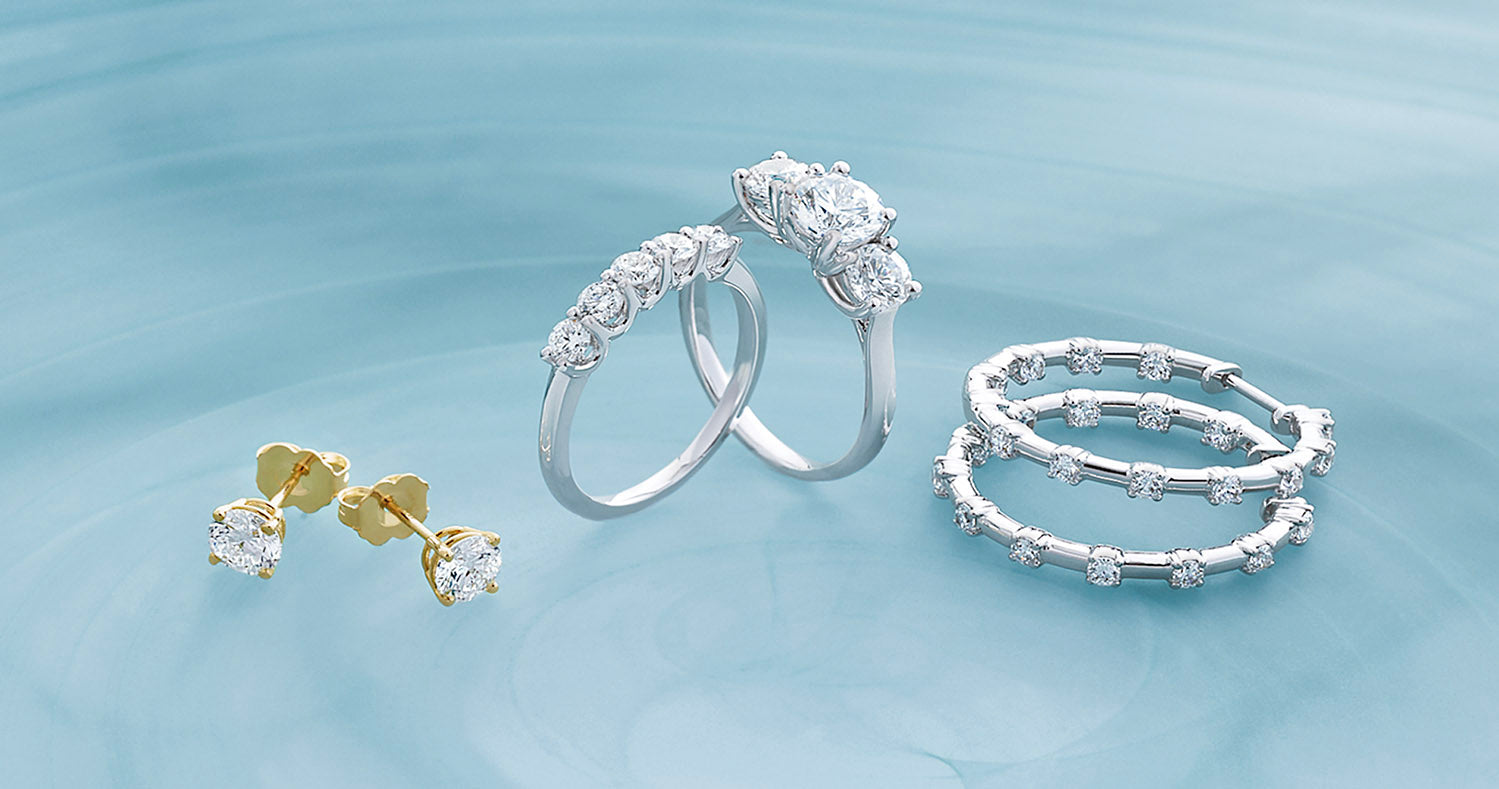
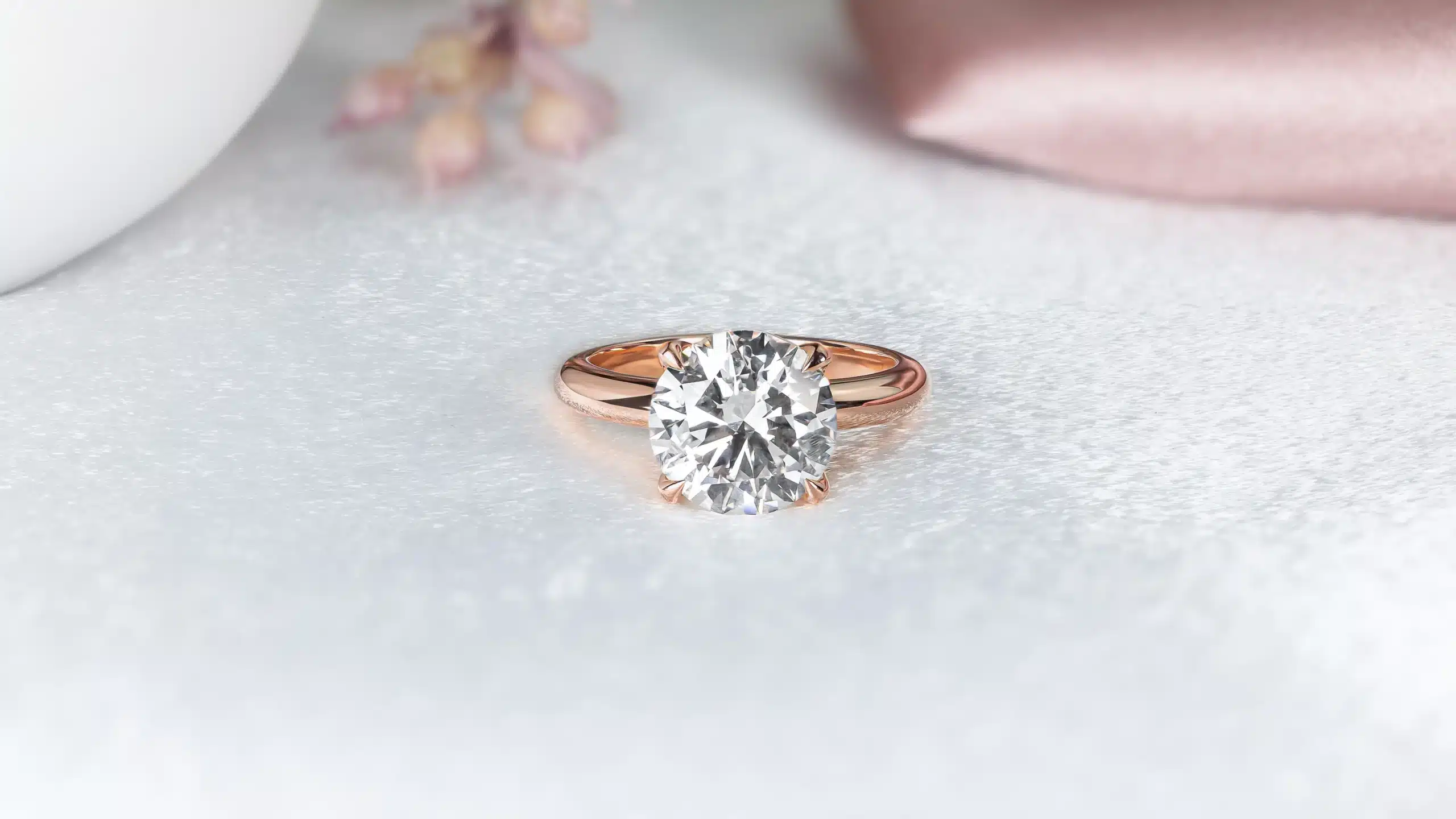
So… you’re shopping for a diamond. Maybe it’s for an engagement ring. Maybe it’s just because you’ve been crushing your goals and deserve something shiny. Either way, you’ve probably heard the buzz: lab diamonds HPHT, man made diamonds, all that jazz. And honestly? It’s kind of overwhelming.
Let’s be real—diamonds used to be simple. You went to a store, picked the sparkliest rock your budget allowed, and hoped it wasn’t a scam. But now? There’s science involved. Like, actual science labs growing diamonds. And not just any kind—lab diamonds HPHT are popping up everywhere.
You might be surprised to learn that these aren’t some cheap knockoffs. In fact, they’re chemically identical to mined diamonds. Same sparkle, same hardness, same “oh wow” factor when the light hits just right. But they come from a lab instead of a mine. And honestly, that changes everything.
Wait, So Are Lab Diamonds Even Real?
Think about it: when was the last time someone handed you a diamond and said, “Psst… this one grew in a lab over six weeks”? Probably never. But that doesn’t make it fake.
Lab diamonds HPHT—short for High Pressure High Temperature—are created by mimicking the natural conditions deep beneath the Earth’s crust. Scientists take a tiny diamond seed and pressurize it like crazy, heating it to over 1,300°C. Boom. In a few weeks, you’ve got a full-grown diamond.
It sounds like sci-fi. But it’s not.
It’s real.
And it’s kind of cool.
Now, I know what you’re thinking: “But is it really the same?” Yes. Seriously. A jeweler with a loupe can’t tell the difference. Even advanced gem labs need special equipment to spot the origin. The only difference? No blood, no sweat, no questionable mining practices.
Let’s face it—traditional diamond mining has a messy past. Child labor. Environmental destruction. Wars funded by gems. Ugh. Not exactly romantic when you’re proposing, right?
So when people say “man made diamonds,” they’re not talking about cubic zirconia or glass. They’re talking about real carbon crystals—just with a cleaner backstory.
Why Are People Going Crazy for Man Made Diamonds?
Okay, let’s break it down. Why are so many folks ditching mined diamonds for lab-grown ones?
Here’s the tea:
-
They’re way more affordable. Like, 30–50% cheaper than mined diamonds of the same quality. That means you can get a bigger stone or upgrade the setting without blowing your savings.
-
They’re eco-friendlier. No massive craters in the Earth. No tons of displaced soil. No diesel-guzzling trucks hauling rock for miles. Lab diamonds HPHT use way less energy and land.
-
Ethics, baby. Want to propose with a clear conscience? Man made diamonds skip the human rights mess. That matters. Even if it’s not the first thing you think about, it should be.
-
Customization is easier. Labs can grow diamonds in specific colors and sizes. Want a 2-carat blue diamond? No problem. Want a perfect D-color, flawless stone? Done. Mined diamonds? Good luck finding that without selling a kidney.
And let’s not forget—technology is improving fast. The diamonds today are better than they were five years ago. Fewer impurities. Better clarity. More fire. Honestly, it’s getting hard to justify paying double for a mined one.
So… What’s the Local Scoop?
Now, here’s where it gets interesting. If you’re in a place like, say, downtown LA or downtown Mumbai, you’ll find a mix. Big-name jewelers still push mined diamonds like they’re the only option. But walk into a boutique or a newer designer studio? That’s where you’ll see the shift.
In cities with younger, more eco-conscious crowds, man made diamonds are flying off the shelves. Engagement rings with lab diamonds HPHT are becoming the norm, not the exception.
Compare that to, say, a traditional jewelry district where grandpas still run family shops. There, you’ll hear things like, “Only real diamonds have soul.” Which… okay, poetic. But also kind of outdated.
The truth? A diamond’s “soul” comes from what it means to you. Not where it came from. If your ring symbolizes love, growth, and doing right by the planet—then yeah, that lab-grown sparkler has soul. Maybe even more.
And let’s be honest—most people can’t tell the difference. Your future spouse isn’t going to look at the ring and go, “Wait… is this not from Botswana?” Nope. They’ll just cry happy tears and say yes.
How Does It Actually Work? (No PhD Required)
Alright, let’s geek out for a sec. How do they actually make lab diamonds HPHT?
Step one:
Get a tiny diamond seed. Like, microscopic. It’s usually a sliver of a natural or lab diamond.
Step two:
Pop it into a chamber with pure carbon (often in the form of graphite). Then—here’s the wild part—squeeze it. We’re talking pressure so high it’s like stacking three Empire State Buildings on a postage stamp. And heat it hotter than lava.
Under those conditions, the carbon melts and starts building onto the seed. Layer by layer, atom by atom. It grows. Slowly. Patiently.
After a few weeks? You’ve got a brand-new diamond. Cut it, polish it, set it in gold—voilà. Jewelry-ready.
The whole process is monitored closely. No room for error. But once it’s done, you’ve got a gem that’s indistinguishable from one that took billions of years underground.
And the best part? You can trace its entire journey. From seed to sparkle. No murky supply chains. No “we think it came from Angola?” nonsense.
It’s transparent. Literally and figuratively.
Final Thoughts: Is It Worth It?
Look, I get it. Diamonds have always been about rarity. About “forever.” About that old-school idea that something hard to get must be more valuable.
But times change.
Values change.
Science changes.
And honestly? There’s nothing less romantic about a lab-grown diamond. If anything, it’s more modern. More thoughtful. More you.
Whether you go for lab diamonds HPHT or stick with mined, the point is choosing something that feels right. Not just what ads or traditions tell you to want.
At the end of the day, man made diamonds aren’t replacing love. They’re redefining what it means to wear it on your finger.