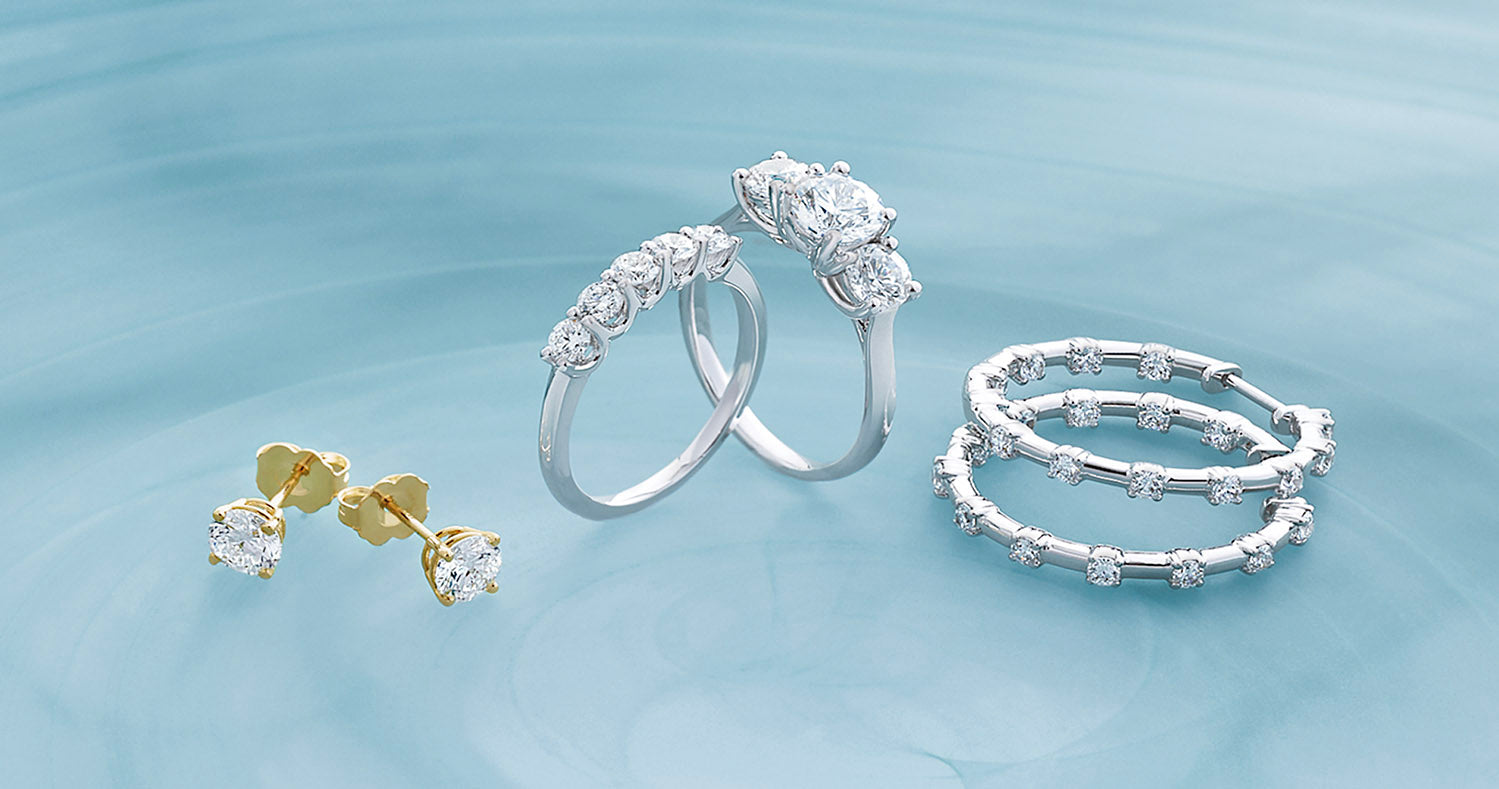

I still remember the first time I tried to secretly buy a ring for my sister.
She’d just landed her dream job, and I wanted to surprise her with something special — something sparkly, personal, a little bit symbolic. But within ten minutes of browsing, I realised: I had absolutely no idea what her ring size was. None.
If you’ve ever found yourself squinting at size charts or wrapping bits of string around your finger hoping for the best, you’re definitely not alone. Figuring out como saber talla de anillo mujer (how to know a woman’s ring size) can feel like a mix between art, science, and a dash of educated guessing.
So, let’s unpack it together — the easy way, the accurate way, and even the sentimental way.
The Simple Truth About Ring Sizing
Well, you might not know this, but ring sizing isn’t universal. That’s the first thing to wrap your head around. Different countries use completely different scales — the UK and Australia have an alphabetical system (A to Z), while the US uses numbers. Then there’s the European system that measures the inside circumference in millimetres. Confusing? Yep, a little.
But here’s the good news: once you know your size in one system, it’s super easy to convert it using any online chart. The tricky part is just getting that first accurate measurement.
Quick and Reliable Ways to Measure
There are a few reliable methods to figure out your ring size, even from the comfort of your home.
Let’s start with the easiest one.
1. The Paper or String Method
You’ve probably heard of this, but it’s actually quite effective if you’re careful. Take a thin strip of paper or string, wrap it gently (not tightly!) around the base of your finger, mark where it overlaps, and measure the length in millimetres. That number corresponds to the circumference of your finger — and from there, you can match it to a ring size chart.
The key is to do it at room temperature. Fingers swell slightly when you’re warm and shrink when you’re cold. So, if you measure just after a morning jog or on a chilly day, the result might be a touch off.
2. Use a Ring You Already Own
If the ring you’re measuring fits perfectly on the finger you want the new ring for, you’re in luck.
Place it on a ruler and measure the inside diameter (from one inner edge to the opposite one). Then, check that number against a standard size chart.
Or, even better, trace the inner circle onto paper and take it to your local jeweller — they can identify the size in seconds.
3. Visit a Jeweller (Honestly, It’s Worth It)
Sometimes, the easiest way is still the old-fashioned one: walk into a jewellery store and ask to have your finger sized. It’s free, quick, and you’ll get the most accurate result possible.
Jewellers use professional sizing rings that account for the width of the band and the shape of your finger. They can also tell you how the size might change depending on the ring design — wider bands often feel tighter, while thinner bands may fit more loosely.
And if you’re like me and you’re buying for someone else, most jewellers are discreet pros at helping you find out someone’s size without spoiling the surprise. (They’ll usually recommend bringing in one of their existing rings for comparison.)
A Helpful Online Resource
If you’re looking for a reliable digital guide that breaks this all down visually, the team at como saber talla de anillo mujer have created a really clear, practical chart that helps you measure at home without overcomplicating it. It’s one of the better ones I’ve come across — clean, accurate, and genuinely helpful whether you’re in Spain, Australia, or anywhere else.
The Emotional Side of Getting It Right
Here’s the thing — a ring isn’t just a piece of jewellery.
It’s often tied to a memory, a moment, or a milestone. Engagements, anniversaries, birthdays — those tiny circles of metal carry a surprising amount of emotion.
That’s why getting the size right matters. A ring that’s too tight feels uncomfortable, but one that’s too loose can literally slip away (and with it, possibly a small fortune). When you think about it, measuring properly is an act of care — for yourself or for someone you love.
And while we’re on the subject of care, I can’t not mention something that’s changing the world of fine jewellery right now: sustainability.
Why More People Are Choosing Ethical and Lab Grown Diamonds
A decade ago, the idea of synthetic or “lab-made” diamonds sounded, well, a bit dodgy. But now? They’re revolutionising the jewellery industry — and for good reason.
Lab grown diamonds are real diamonds. They have the exact same physical, chemical, and optical properties as mined ones. The only difference is their origin. Instead of being pulled from deep beneath the earth, they’re grown in high-tech labs under conditions that replicate nature’s diamond-forming process — minus the environmental destruction or ethical concerns.
Honestly, when I first looked into them, I was surprised at how beautiful they are. Even professional gemologists can’t tell them apart without advanced equipment. And from a sustainability perspective, they make complete sense.
They’re also usually more affordable — meaning you can invest in a higher-quality stone or a custom design without the jaw-dropping price tag.
If you’re curious to learn more, this article on lab grown diamonds offers a fantastic overview of how they’re made and why they’re reshaping the way people think about luxury and ethics in fashion.
Rings That Tell a Story
I spoke recently with a jeweller friend in Melbourne’s Fitzroy district — someone who’s been crafting rings for over twenty years. He said something that really stuck with me:
“Every ring has two stories — the one it symbolises, and the one about how it came to be.”
He’s seen the industry shift dramatically. Ten years ago, most of his clients wanted traditional mined diamonds. Now, half his orders include lab-grown stones or recycled metals. Couples come in asking not only about carats and clarity but about carbon footprints and traceability.
It’s not just about the sparkle anymore — it’s about feeling good about what that sparkle represents.
When Size and Style Go Hand in Hand
Sizing doesn’t exist in a vacuum; it’s closely tied to the ring’s design.
For example, delicate solitaire rings tend to feel a bit looser than chunky bands. Stacked rings might need a size up to fit comfortably. And some designs — like vintage clusters or ornate halos — sit higher on the finger, which can subtly change how they feel.
This is why trying on different styles in person can be eye-opening. Sometimes the size that fits on paper doesn’t feel quite right when it’s actually on your hand.
A Little Insider Tip
If you’re buying a ring as a gift and can’t measure the person directly, here are a few tricks jewellers often suggest:
Sneaky Borrowing: Borrow a ring from the right finger (or the one closest to it) when they’re not wearing it.
Phone a Friend: Ask a close friend or family member who might know their size. You’d be surprised how often people talk about ring sizes casually.
Average Guess: The average women’s ring size in Australia is between L and N (which is about US 6 to 7). It’s not perfect, but it’s a decent starting point.
And remember — resizing is almost always possible for most rings, except for designs with full eternity bands or intricate settings.
Beyond the Size: Choosing the Right Metal
You might think size is the biggest decision, but metal choice plays a big role too.
Yellow gold has made a comeback lately — that soft, nostalgic warmth that pairs beautifully with olive and tan skin tones. White gold and platinum remain timeless, especially for contemporary designs. And rose gold? Still a favourite for those wanting something a bit romantic and modern.
Interestingly, different metals can affect how the ring feels. Platinum, for instance, is denser and heavier. Gold, depending on its purity, can be softer or more lightweight. These subtleties matter, especially if you’re wearing the ring daily.
When Jewellery Meets Technology
Here’s something I didn’t expect to love: the rise of digital ring sizing tools. Some jewellery websites now let you upload a photo of your hand or place a ring on your screen for instant sizing feedback. The technology’s improving fast, and while it’s not flawless yet, it’s surprisingly accurate.
Still, nothing beats the tactile experience of trying rings in person — the weight, the shine, the way it catches the light when you move. There’s a bit of magic in that, don’t you think?
So, What’s the Takeaway?
Finding your perfect ring size isn’t as daunting as it seems. Whether you use the old-school paper method, a helpful online guide like como saber talla de anillo mujer, or simply pop into your local jeweller, the goal’s the same — to make sure your ring feels like it truly belongs on your hand.
And while you’re at it, maybe take a moment to think about the kind of jewellery you want to wear into the future. The choices we make — from materials to makers — tell a quiet story about what we value.
A Final Reflection
Jewellery, at its best, isn’t about trends or price tags. It’s about connection — to a moment, a person, or even an idea. Whether you’re slipping on a diamond ring that celebrates a milestone, or you’re simply treating yourself to something you’ve always wanted, knowing it fits just right adds that extra layer of meaning.
So take the time. Measure carefully. Choose consciously.
And when that ring finally slides onto your finger with a perfect, comfortable fit — well, there’s something quietly wonderful about that.