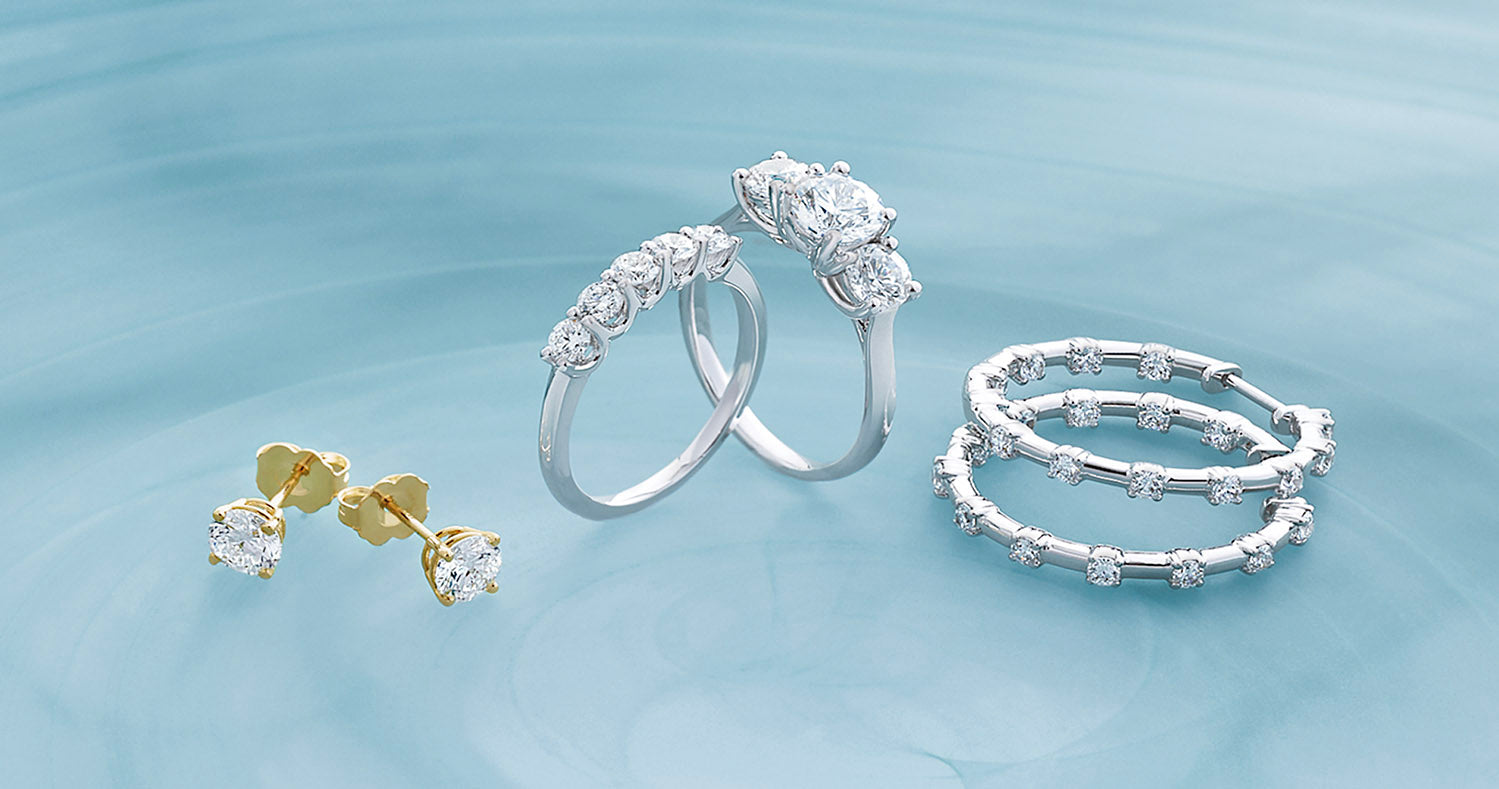

When people think about diamonds, the first image that often comes to mind is a sparkling round gemstone set in an engagement ring. While the round brilliant cut is indeed the most popular, it represents only one of many Formas de diamante, or diamond shapes, available today. Diamond shape plays a crucial role in a gem’s overall appearance, influencing not only how it reflects light but also how it expresses personal style, symbolism, and elegance.
Whether you are choosing a diamond for fine jewelry, researching gemstones out of curiosity, or exploring ethical alternatives such as lab-grown stones, understanding diamond shapes is essential. Each shape carries its own history, aesthetic qualities, and practical considerations. This article provides an in-depth look at the most popular diamond shapes, their characteristics, and how they fit into modern preferences and values.
Diamond Shape vs. Diamond Cut: A Common Confusion
Before diving into specific forms, it is important to clarify the difference between diamond shape and diamond cut, two terms often used interchangeably but with distinct meanings.
- Diamond shape refers to the outline or silhouette of the stone when viewed from above—round, oval, square, rectangular, heart-shaped, and so on.
- Diamond cut, on the other hand, describes how well the diamond’s facets interact with light. It affects brilliance, fire, and sparkle and is graded separately from shape.
A diamond can be excellently cut regardless of its shape. For example, a princess-shaped diamond and a round diamond can both achieve exceptional light performance if cut skillfully.
The Most Popular Diamond Shapes Explained
Round Brilliant
The round brilliant is the most researched and mathematically optimized diamond shape. Designed with 58 facets, it maximizes light return, making it the brightest and most sparkly option available.
Why people love it:
- Superior brilliance and fire
- Timeless and versatile
- Works well in almost any setting
Round diamonds are often chosen for engagement rings and remain a benchmark against which other shapes are compared.
Princess Cut
The princess cut is a square or slightly rectangular shape with sharp corners and brilliant-style faceting. It offers a modern look while still delivering impressive sparkle.
Key characteristics:
- Contemporary appearance
- Excellent brilliance for a non-round shape
- Efficient use of rough diamond, often offering good value
This shape appeals to those who want something classic yet modern, with clean lines and visual impact.
Oval
The oval diamond combines the brilliance of a round cut with an elongated silhouette. Its shape creates the illusion of greater size and can make fingers appear longer and slimmer.
Advantages:
- Elegant and flattering
- Strong light performance
- Less common than round, offering a unique touch
Oval diamonds have gained popularity in recent years due to their balance of tradition and individuality.
Cushion
The cushion cut features rounded corners and larger facets, giving it a soft, pillow-like appearance. This shape has been around for centuries and evokes a sense of vintage charm.
Why it stands out:
- Romantic, antique-inspired look
- Enhanced fire due to larger facets
- Available in square and rectangular variations
Cushion-shaped diamonds are often chosen for halo settings and designs inspired by old-world elegance.
Emerald
Unlike brilliant cuts, the emerald cut uses step facets, creating a hall-of-mirrors effect rather than intense sparkle. Its rectangular shape with cropped corners emphasizes clarity and symmetry.
Notable features:
- Sophisticated and understated
- Highlights diamond clarity
- Popular among lovers of minimalist design
Because inclusions are more visible in this shape, higher clarity grades are often preferred.
Radiant
The radiant cut blends the outline of an emerald or square shape with the brilliance of round-style faceting. It is known for its intense sparkle and durability.
Benefits:
- Strong brilliance
- Trimmed corners reduce chipping risk
- Versatile for both modern and classic settings
Radiant diamonds are ideal for those who want maximum sparkle in a non-round shape.
Pear
The pear shape, also called teardrop, combines round and marquise elements. It can be worn with the point facing up or down, depending on personal preference.
Appeal:
- Distinctive and expressive
- Creates a slimming effect on the finger
- Symbolizes individuality and emotion
Proper symmetry is crucial for pear-shaped diamonds to ensure balanced light reflection.
Marquise
The marquise cut is long and narrow with pointed ends. Historically associated with royalty, it is designed to maximize carat weight appearance.
Why choose it:
- Makes the diamond appear larger
- Elongates the finger
- Dramatic and bold aesthetic
This shape requires protective settings due to its pointed tips.
Heart
The heart-shaped diamond is the ultimate symbol of love and romance. It requires exceptional craftsmanship to achieve proper symmetry and brilliance.
Key points:
- Strong emotional symbolism
- Unique and eye-catching
- Best suited for those seeking a statement piece
Heart shapes are less common and often chosen for meaningful, personalized jewelry.
Diamond Shapes and Ethical Considerations
In recent years, consumers have become more conscious of sustainability and ethics when purchasing gemstones. This shift has brought increased attention to alternatives such as lab diamonds, which are created using advanced technological processes that replicate natural diamond formation.
From a visual and physical standpoint, lab diamonds are identical to mined diamonds and are available in all popular shapes, from round and princess to emerald and pear. Choosing a lab-created stone does not limit design options; instead, it often provides greater flexibility in terms of size, quality, and budget.
Additionally, lab diamonds appeal to environmentally and socially conscious buyers, as they typically involve fewer environmental disruptions and offer transparent sourcing.
Choosing the Right Diamond Shape for You
Selecting the right diamond shape is a highly personal decision. While trends and recommendations can guide you, the best choice ultimately reflects your taste, lifestyle, and values.
Consider the following factors:
- Personal style: Classic, modern, vintage, or bold
- Hand and finger shape: Certain shapes elongate or soften the look
- Setting style: Some shapes work better in halos, solitaires, or three-stone designs
- Practicality: Pointed shapes may require protective settings
It’s also worth noting that lab diamonds allow buyers to prioritize shape and quality without exceeding their budget, making premium forms more accessible.
The Role of Diamond Shapes in Jewelry Design
Diamond shapes influence not only rings but also earrings, pendants, and bracelets. Round and princess cuts are popular for studs, while pear and marquise shapes create elegant drop earrings. Emerald and oval shapes are frequently used in pendants due to their clean lines and balanced proportions.
Designers often select shapes based on how they interact with light, metal settings, and the overall aesthetic of the piece. As customization becomes more common, consumers can now choose shapes that truly reflect their identity.
Conclusion
Understanding formas de diamante opens the door to appreciating diamonds beyond their sparkle. Each shape tells a story—of history, craftsmanship, personal expression, and evolving values. From the timeless brilliance of round diamonds to the refined elegance of emerald cuts and the emotional symbolism of heart shapes, diamond forms offer endless possibilities.
As ethical awareness grows, lab diamonds continue to play an important role in the modern jewelry landscape, offering beauty, quality, and responsibility without compromise. Whether you are selecting a diamond for a special occasion or simply expanding your knowledge, exploring diamond shapes allows you to make informed, meaningful choices that last a lifetime.
Ultimately, the perfect diamond shape is not defined by trends alone but by how it resonates with you—your style, your values, and your story.