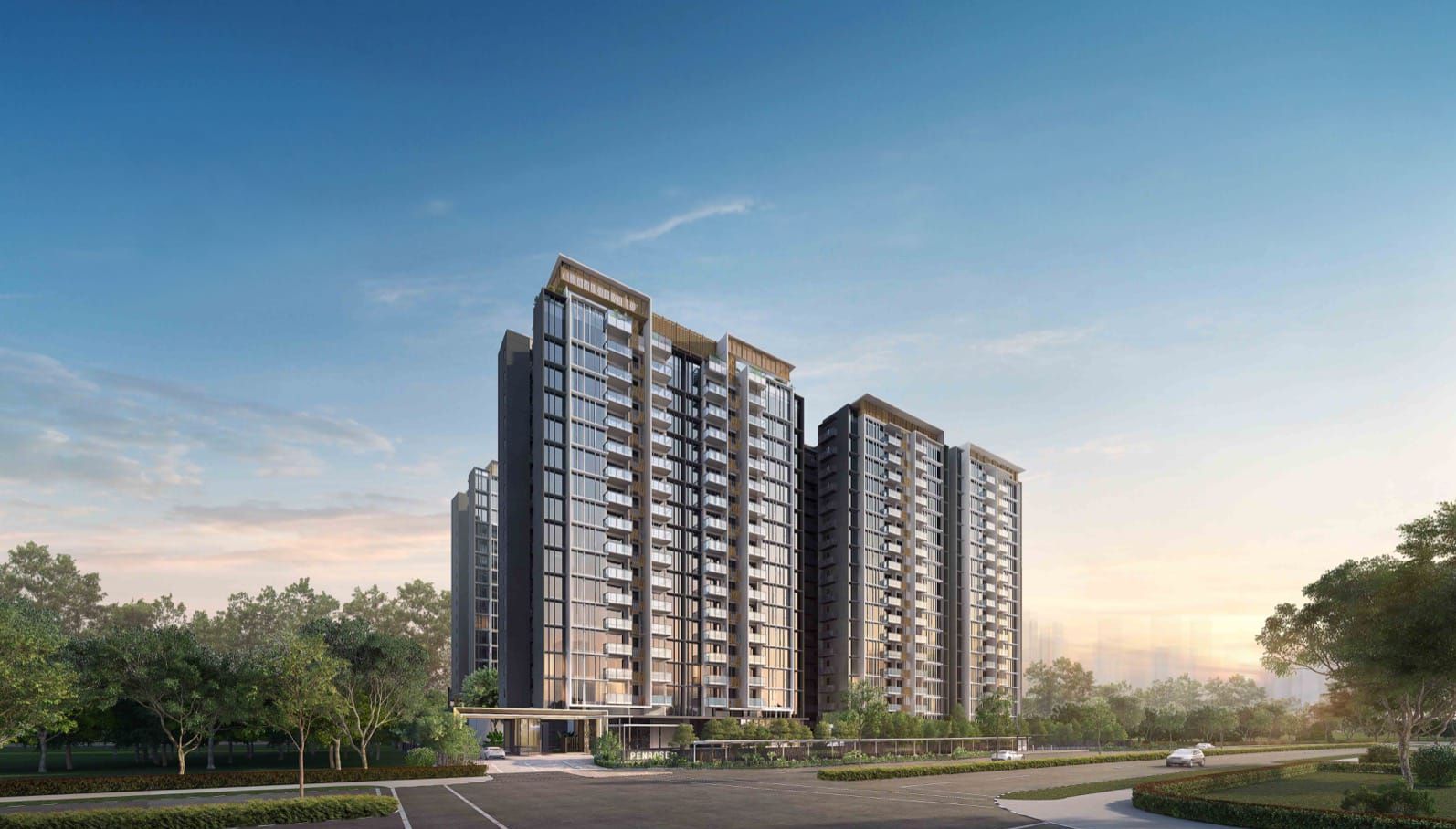

In Singapore, the decision to purchase private residential property is rarely just a transaction. Yet, before the keys are collected and the mortgage is signed, every buyer must navigate the most fundamental fork in the road: the glittering promise of a New Launch like Thomson View versus the established stability of a Resale unit.
1. The Lure of the New Launch: The Maintenance Honeymoon
The appeal of a newly minted condominium is powerful. Financially, the New Launch path presents an initial “honeymoon phase” designed to ease the financial strain during the first years of ownership.
Lower Initial Operating Costs
Owners buying directly from the developer like Dunearn Road Condo often benefit from an attractive initial fee structure. Maintenance fees for New Launch projects are frequently set at a lower rate than comparable older condominiums. This initial conservation aims to make the unit’s overall servicing cost competitive, especially crucial when marketing early phases of a project.
The Sinking Fund Grace Period
The most significant financial advantage in the immediate term is the treatment of the capital sinking fund. This fund is designed to cover major future expenditures, such as repainting the entire façade, replacing lifts, or upgrading common area infrastructure 10 to 15 years down the line.
According to standard practice: there is no sinking fund contribution required during the first year of operation.
2. The Known Quantity of Resale: Immediate Responsibility
The Resale market offers immediate occupancy, established communities, proven rental yields, and often generous unit sizes rarely seen in modern developments. However, this established stability comes with immediate and higher monthly liabilities.
Higher and Established Maintenance Fees
Unlike the initial competitive rates offered by developers, Resale properties—especially those managed by established Management Corporation Strata Titles (MCSTs) for five years or more—come with higher maintenance fees.
These fees reflect the reality of operating a mature estate: established vendor contracts, regular upkeep of older infrastructure (like pumping systems and security gates), and the necessary cost inflation accumulated over years of operation. Buyers know exactly what they are paying for, but the figure is typically non-negotiable and higher.
The Immediate Sinking Fund Contribution
For Resale units, the buyer assumes immediate responsibility for the long-term health of the estate. The sinking fund contribution begins immediately upon ownership transfer.
This payment is mandatory and calculated based on the share value of the unit. While this contribution increases the monthly out-of-pocket expense, it provides the buyer with peace of mind that funds are being reliably channelled towards the inevitable cyclical refurbishment cycle that all buildings require.
The Long-Term Decision: Beyond the Fees
The difference between maintenance fee structures reveals more than just monthly cash flow:
| Feature | New Launch | Resale |
| Initial Maintenance Fee | Lower, set competitively by the developer. | Higher, reflecting established operating costs and inflation. |
| Sinking Fund Contribution | No sinking fund contribution for the 1st year. | Immediately mandatory. |
| Cash Flow (Year 1) | Optimized for lower initial outgoings. | Higher immediate cash outlay. |
| Hidden Costs | Expect significant increase in maintenance/sinking fund after the developer hands over full MCST control (usually Year 3-5). | Costs are transparent, but potential special assessments for unexpected large repairs are possible if the sinking fund is poorly managed. |
The Appreciation Factor
The New Launch Buyer is betting on potential. The uplift in price achieved once the project obtains Temporary Occupation Permit (TOP) and transforms from blueprints into reality. Their initial low maintenance fees are a bonus, allowing them to conserve funds during the interest-heavy construction period.
The Resale Buyer is betting on immediate utility and established value. Their higher monthly fees are the price of instant occupancy and a known location. While their fees are higher, they may benefit from larger unit sizes and more established tenant pools, potentially offsetting higher recurrent costs.
Conclusion: Alignment of Strategy
Choosing between a New Launch and a Resale unit is fundamentally about aligning the property asset with one’s personal financial timeline.
If cash flow is tight in the immediate years, and the buyer is willing to wait three to five years for the asset to mature, the New Launch offers the essential grace period: lower fees and no sinking fund contribution for the crucial first year.
If the buyer values immediate accessibility, established infrastructure, and predictable long-term costs, the Resale market provides transparency, provided one is ready to accept the immediate reality of higher long-term maintenance fees and the mandatory, non-negotiable contribution to the sinking fund from day one.